
Mallorca's Planning Amnesty: Buying a Finca with Unlicensed Extensions (2028 Deadline)
How Mallorca's extraordinary legalisation works for pools, annexes and extensions on rustic land: who qualifies, the 10–15% fee, the February 2028 deadline and what buyers must check.
In short: many Mallorcan fincas have a pool, annex or extension that was never licensed. Until February 2028, owners of homes on rustic land can apply for an extraordinary legalisation if the planning breach is old enough to be time-barred. It costs 10–15% of the construction value of the works plus fees, it excludes some zones, and a legalised home cannot gain new holiday-rental places. For buyers, it can turn a difficult finca into a sound purchase, but only with an architect's and a lawyer's report before you sign.
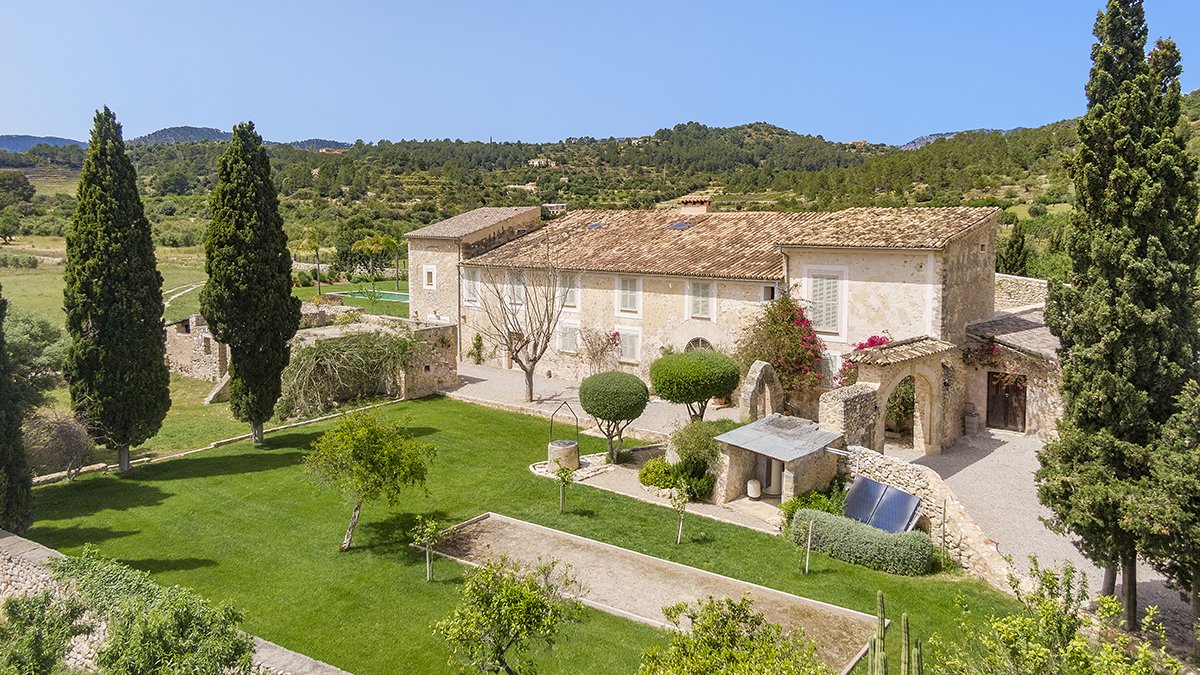
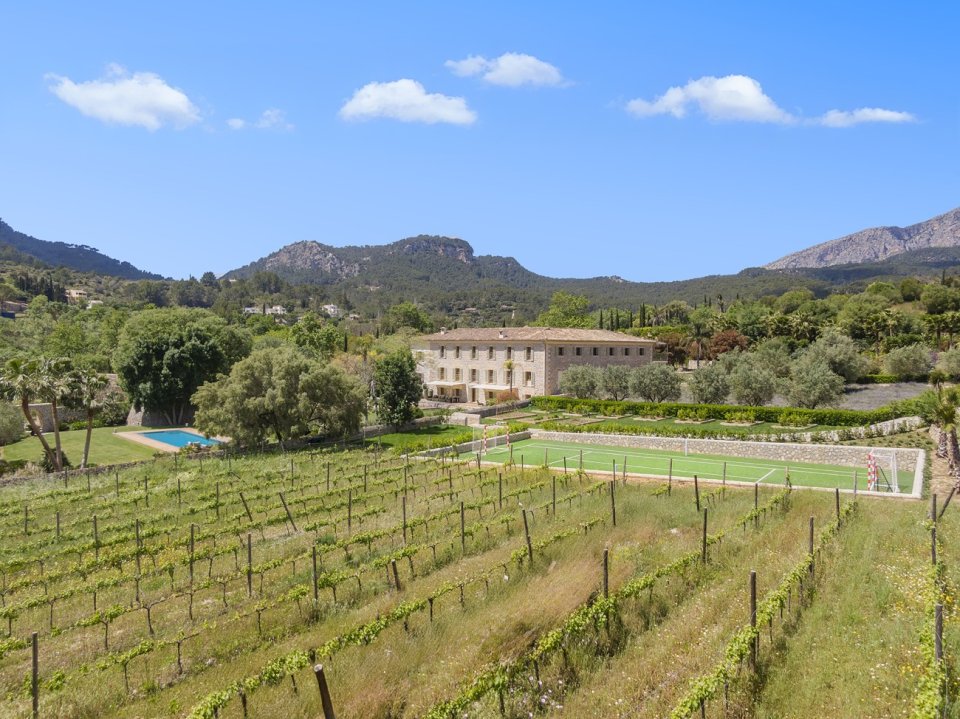
Anyone who has viewed fincas in Mallorca will recognise the situation: a beautiful country house where the pool, the guest annex or the extra bedroom does not appear in the land registry or the cadastre. Estimates suggest that around 24,000 buildings on Mallorca's rustic land could be in this position.
For years, these properties sat in a legal limbo. They could not be demolished because the breach was too old to sanction, but they could not be fully regularised, renovated with a licence or easily mortgaged either. The Balearic planning amnesty changes that, for a limited time.
What is the Mallorca planning amnesty?
The Balearic government created an extraordinary legalisation procedure for buildings, extensions and uses on rustic land (suelo rústico) whose planning breach is time-barred. It was introduced by Decree-Law 3/2024 of 24 May 2024 and later incorporated into Law 7/2024 of 11 December. The Consell de Mallorca adopted the procedure for the island on 13 February 2025, published in the BOIB on 15 February 2025.
The window lasts three years: applications must be filed before 15 February 2028. It is similar to the 2014 scheme, under which around 1,500 buildings were legalised in the Balearics.
Who qualifies
Rustic land only. Homes on urban land (suelo urbano) are not covered.
The breach must be time-barred, with no open disciplinary proceedings. In the Balearics the limitation period is generally eight years, and longer in some cases.
The works must have been finished before 1 January 2018, which has to be proved with aerial photographs, cadastral records or a technical certificate.
Environmental upgrades are part of the deal: energy efficiency (for example, solar panels where the home has none), water efficiency, reduced light pollution and, where needed, proper wastewater treatment.
What is excluded
Buildings in coastal protection zones and near certain roads.
Hotel complexes.
Some specially protected areas, where a breach never becomes time-barred and only demolition is possible.
New holiday-rental places. A legalised home cannot be marketed for new tourist places. A tourist licence granted before 29 May 2024 is kept.
Eligibility is decided case by case, and some properties first thought to be excluded have later been accepted. Much of the Serra de Tramuntana is protected: see Balearic Living's complete guide to the Serra de Tramuntana.
How much does it cost?
The main cost is a financial contribution to the town hall, calculated on the construction value of the works being legalised, not on the value of the whole property. It rises the later you apply:
First year (2025–2026): 10% of the construction value
Second year (current phase): 12.5%
Third year (from 2027, date varies by municipality): 15%
On top of that come the licence fee and construction tax (ICIO), the architect's legalisation project, a georeferenced survey and the cost of any required upgrades, such as solar panels. As a rough guide, one local architecture studio estimates a total of around €60,000 to legalise works with a construction value of €200,000. Every case is different, so get a quote for the specific property.
Why it matters if you are buying a finca
A finca whose built reality matches its paperwork is worth more and is easier to sell, renovate, insure and finance. Banks are often reluctant to lend against irregular buildings, and future buyers will ask the same questions you are asking now. The amnesty is therefore an opportunity on both sides of the deal:
For buyers, a well-priced finca with legalisable extensions can be a good purchase, provided the cost and timetable of legalisation are built into the price and the contract.
For sellers, starting the legalisation before marketing the home widens the pool of buyers and supports the asking price. Read how to sell Mallorca property with profit.
What to check before you buy
Compare paper and reality. Your lawyer should compare the land registry (nota simple), the cadastre and what is actually built, including the pool, terraces and outbuildings: see finding a good lawyer in Mallorca.
Ask an architect for a feasibility report on which elements can be legalised, whether the land and location are eligible, and what it will cost.
Check for open proceedings at the town hall and the Consell de Mallorca.
Confirm the tourist licence position if rental income matters to you: see buying a holiday rental property in Mallorca.
Agree in writing who legalises and who pays: the seller before completion, or the buyer with a price adjustment or a retention from the purchase price.
Watch the calendar. An application filed late in 2027 pays the highest rate, and the window closes in February 2028.
Our guide to who you need when buying property in Mallorca explains each professional's role, and Balearic Living's real estate glossary explains terms such as cédula, fuera de ordenación and nota simple.
Where to find fincas in Mallorca
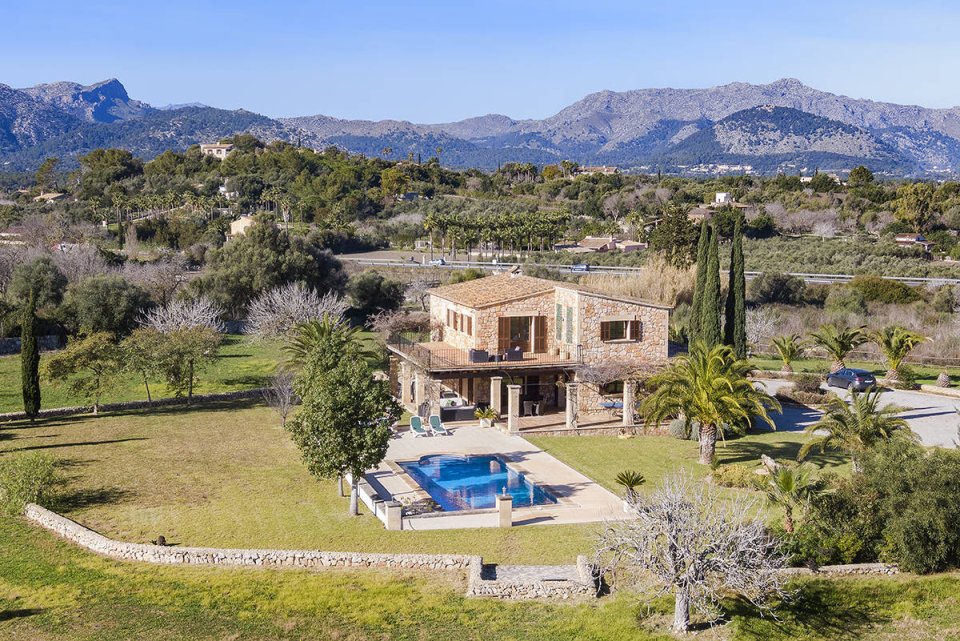
Rustic properties are spread across the island, from the Pollença valley and the Tramuntana foothills to the plains around Santa Maria, Alaró and Santanyí. Browse our charming country homes, read Mallorca country homes for sale and, if you are thinking of building rather than buying, buying land in Mallorca. In the north, Balearic Living's Living in Pollença is a good place to start.
Frequently asked questions
- What is the deadline for the Mallorca planning amnesty?
Applications must be filed before 15 February 2028. The contribution rises from 10% to 12.5% and then 15% of the construction value the later you apply.
- Can I legalise a pool built without a licence in Mallorca?
Often yes, if it is on rustic land, was finished before 2018, the breach is time-barred and the location is not excluded. An architect can confirm eligibility for your specific property.
- Does the amnesty apply to urban land?
No. The extraordinary legalisation only covers buildings, extensions and uses on rustic land.
- Can a legalised finca be rented to tourists?
A legalised home cannot be marketed for new tourist places. A tourist licence granted before 29 May 2024 is kept.
- Should I buy a finca with illegal extensions?
It can be a good purchase if the extensions are legalisable and the cost is reflected in the price and the contract. Never sign without a lawyer's and an architect's report.
Talk to us about country properties
We sell fincas across Mallorca and can introduce you to independent architects and lawyers who work on legalisations. Contact our team.