Best Places to Live in Mallorca (2026): An Area-by-Area Guide for Buyers
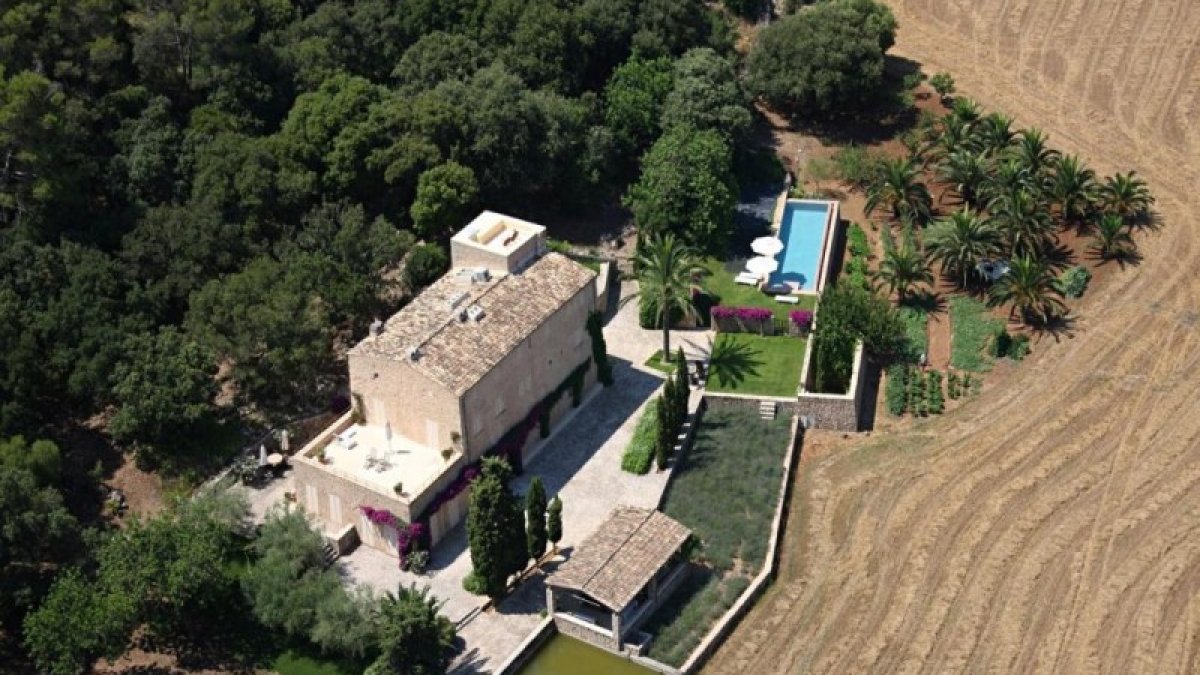
Palma, Son Vida, Port d'Andratx, Sóller, Pollença or Santanyí? Prices per m², lifestyle and who each Mallorca area suits best, with 2026 data.
In short: Palma and Son Vida suit buyers who want year-round city life and the airport on the doorstep; Portals Nous, Santa Ponsa and Port d'Andratx are the southwest's marina and sea-view belt; Sóller and Deià are for the mountains; Pollença and Alcúdia offer the best family beaches in the north; and Santanyí and the central villages give the most character for the money. Asking prices range from around €3,000/m² inland to more than €8,500/m² in Andratx.
"Where should we buy?" is the first question almost every client asks us, and there is no single right answer. Mallorca is only around 100 km across, yet the island behaves like several different markets: a capital city, a luxury southwest, a mountain range, a family-friendly north and a quieter east and south-east. Each has its own price level, its own rhythm in winter and its own type of buyer.
This guide compares the areas we are asked about most, with 2026 asking-price data, so you can shortlist two or three before you start viewing.
Mallorca property prices by area in 2026
Prices have kept rising in 2026, though more gently than in the post-pandemic years. The Steinbeis study of the island's market put the average asking price at €7,370 per m², up 9.8% year on year, a figure pulled up by the luxury southwest. Portal data by municipality gives a more useful picture of the spread:
Andratx (Port d'Andratx, Camp de Mar): ≈ €8,500/m² · Sea views, yachting, luxury villas
Calvià (Portals Nous, Bendinat, Santa Ponsa): ≈ €7,500/m² · Families, marinas, international schools
Sóller & Deià: ≈ €6,200/m² · Mountains, character homes
Santa Maria del Camí, Bunyola: ≈ €5,100–5,800/m² · Village life 20 minutes from Palma
Santanyí (incl. Cala d'Or): ≈ €5,600/m² · Golden-stone villages, calm coves
Pollença (incl. Puerto Pollensa): ≈ €5,300/m² · Families, retirees, sailing
Palma de Mallorca: ≈ €5,200/m² · Year-round city living
Alcúdia: ≈ €5,100/m² · Long sandy beaches, holiday rentals
Manacor, Inca: ≈ €3,000–3,200/m² · Value and space
Sources: pisos.com municipal ranking (September 2026); Fotocasa for Palma, Manacor and Inca (2026). Averages mix apartments and houses; prime streets sit well above them.
Palma de Mallorca: the year-round capital
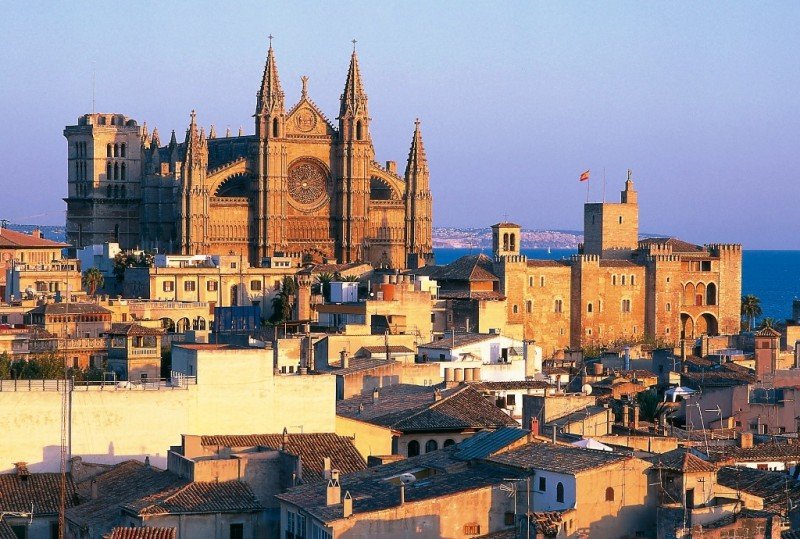
If you want restaurants, culture, hospitals and the airport within 15 minutes, all twelve months of the year, Palma is the obvious choice. It is the only place on the island where you can comfortably live without a car. Buyers usually choose between the Old Town (restored palacios and penthouses), Santa Catalina (lively, younger, close to the seafront) and Portixol (a former fishing quarter on the promenade).
Palma is also the strongest long-let market on the island, with rents around €19.6/m² a month according to idealista in September 2026, which keeps apartments liquid. Read our full guide to living in Palma de Mallorca or browse property for sale in Palma.
Son Vida: gated, green and 15 minutes from the airport
Son Vida sits in the hills directly above Palma and is the island's most established prestige address: large villas, 24-hour security, three golf courses and views across the bay. Asking prices typically run from €7,000 to more than €10,000/m², and plots are now scarce. It suits families who want space and security without being far from schools, the city and the airport. See buying a home in Son Vida and current Son Vida listings.
Portals Nous, Bendinat and Santa Ponsa: the southwest family belt
The municipality of Calvià is where much of the island's international community lives. Portals Nous is built around the Puerto Portals marina, with its restaurants and boutiques; neighbouring Bendinat adds golf and some of the best sea-view apartments near Palma. Further west, Santa Ponsa has a broad sandy bay, two golf courses and a permanent British and German community.
The appeal is practical: international schools within 15–20 minutes, Palma and the airport within 25, and a resident population that keeps restaurants open in winter. More in living in Santa Ponsa and our guide to international schools in Mallorca.
Port d'Andratx: the island's most expensive harbour
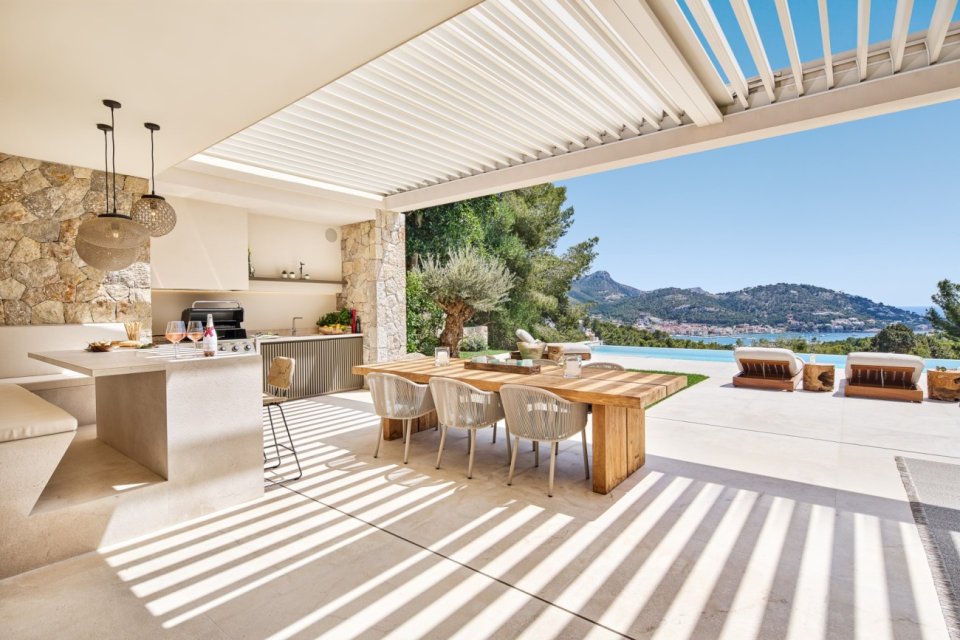
Andratx tops every price ranking in Mallorca. The reason is the natural harbour of Port d'Andratx, surrounded by hillsides where villas look straight out to sea and to the sunset. Frontline and sea-view homes regularly exceed €5 million. It is ideal for yacht owners and buyers for whom the view is the investment; less so for those who want a beach on foot. Read living in Puerto Andratx.
Sóller and Deià: life in the Tramuntana
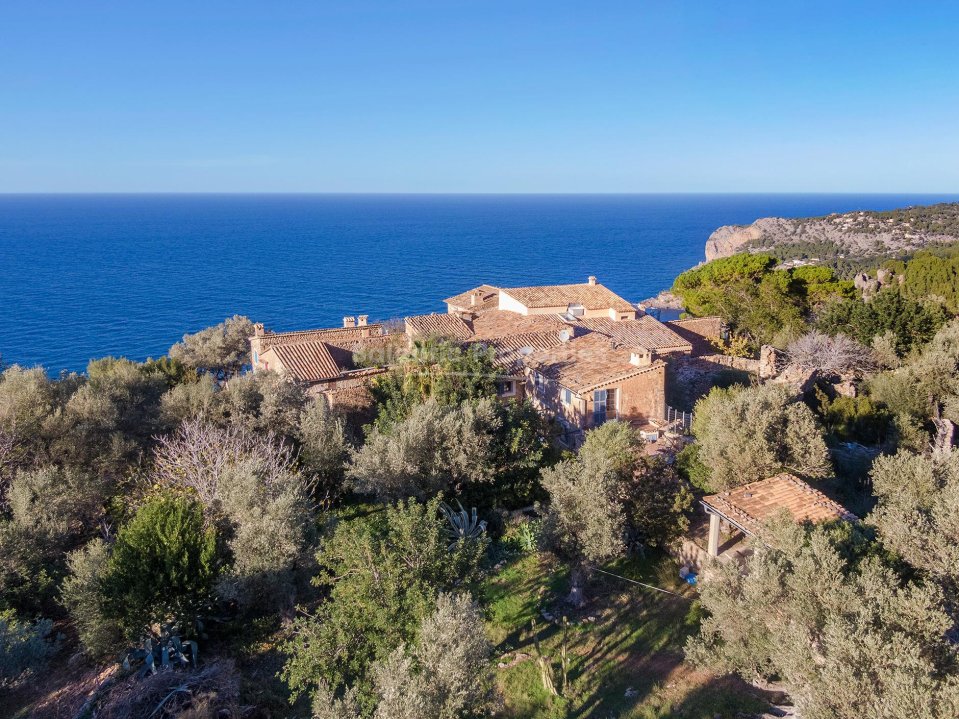
The UNESCO-listed mountains on the west coast offer something no other area can: stone villages, orange groves and terraced slopes dropping to the sea. Sóller is a real town with schools, shops and its own port, linked to Palma by tunnel and the historic train. Deià is smaller, artistic and extremely scarce; we explain why in why Deià is almost impossible to replicate.
Prices in Sóller have more than doubled in five years. Expect narrow streets, limited parking and strict planning rules, and in return a genuine year-round community. See living in Sóller.
Pollença and Puerto Pollensa: the north for families and retirees
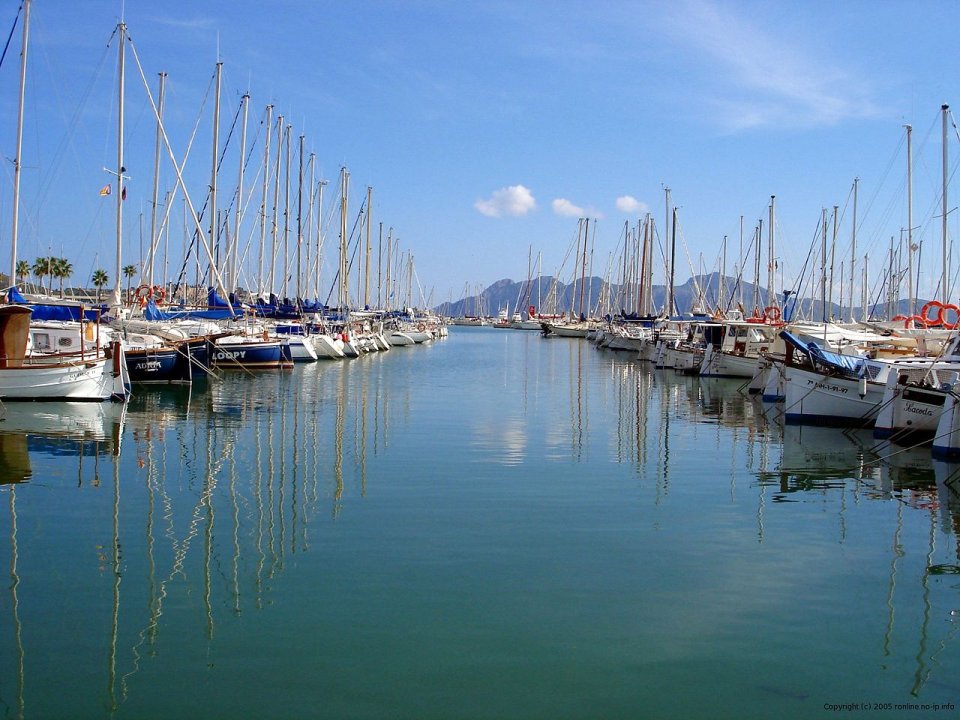
The north is where many of our British clients feel most at home. The old town of Pollença has its square, Sunday market and Calvari steps; Puerto Pollensa has a calm, shallow bay, the Pine Walk and excellent sailing. Prices are well below the southwest, around €5,300/m² on average, and the area has seen some of the island's strongest growth.
The trade-off is distance: the airport is roughly 50–60 minutes away and some restaurants close between November and March. Read living in Pollensa and living in Puerto Pollensa.
Alcúdia: long beaches and rental demand
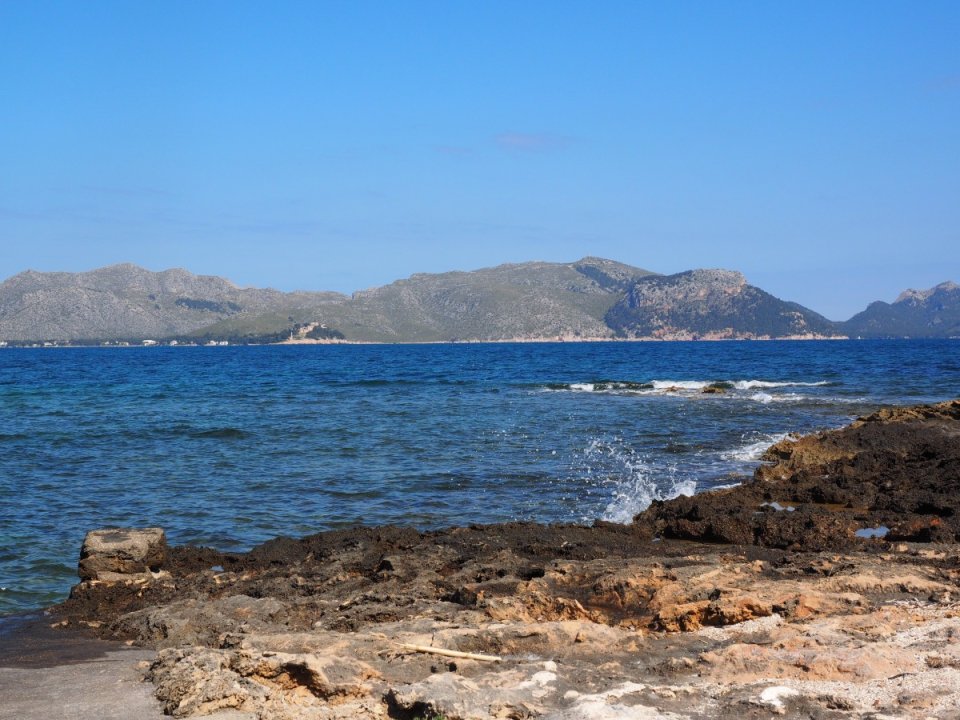
Just across the bay, Alcúdia combines a walled medieval town with one of the longest sandy beaches on the island. Apartments and townhouses near the beach are popular with buyers who want rental income, while Alcanada offers golf and frontline villas facing the islet. More in living in Alcúdia.
Santanyí and Cala d'Or: the calm south-east
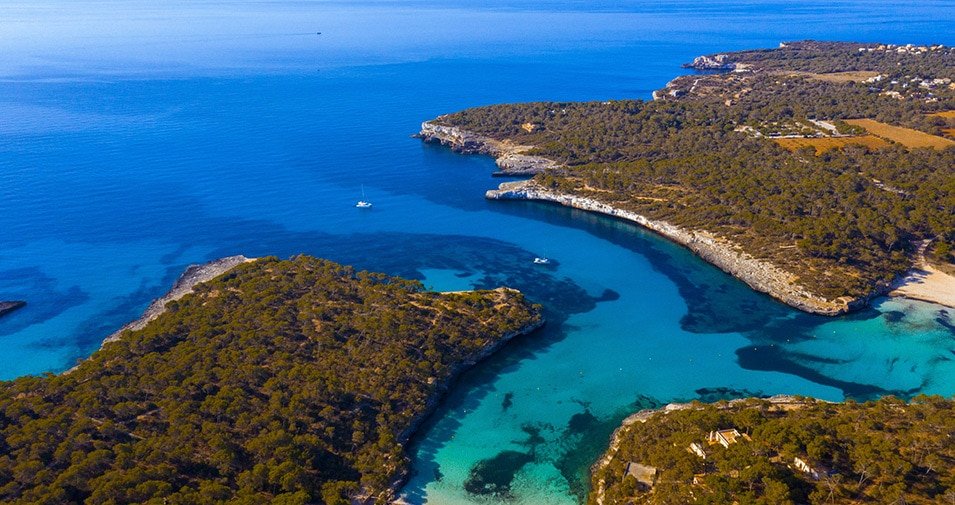
Santanyí is built from golden marès stone and has become a favourite of buyers from northern Europe, with one of the island's best markets and coves such as Mondragó and s'Almunia nearby. Cala d'Or adds a marina and holiday-home market. Knight Frank describes the east coast as one of the most active parts of the island in 2026.
Central villages: character and value
Inland Mallorca is the island's best-kept secret for buyers who value space and authenticity. Alaró, Santa Maria del Camí and Bunyola are 20–25 minutes from Palma, with village squares, wineries and train links. Further east, Manacor and Inca offer prices of around €3,000/m², roughly a third of Andratx. Country homes and fincas dominate here; see our charming country homes collection.
Which area suits you?
Year-round life without a car: Palma (Old Town, Santa Catalina, Portixol)
Security, golf and the airport close by: Son Vida, Bendinat
International schools and a family community: Portals Nous, Santa Ponsa, Son Vida
A sea view as a long-term investment: Port d'Andratx, Camp de Mar, Bendinat
Mountains and stone houses: Sóller, Deià, Valldemossa
A family beach and a relaxed pace: Puerto Pollensa, Alcúdia
Holiday-rental potential: Alcúdia, Puerto Pollensa, Cala d'Or (check the licence)
Most character for the money: Santanyí, Alaró, Santa Maria, Manacor
Five questions to ask before you choose
How will you use the home in January? Coastal resorts are quiet in winter; Palma, Sóller, Pollença town and Santanyí stay lively.
How often will you fly? Palma, Son Vida and Calvià are 15–25 minutes from the airport; the north and east are 50–70.
Do you need rental income? Tourist licences are limited and not transferable everywhere. Browse property with a holiday licence.
Schools and healthcare? Check our guides to schools and healthcare.
What is the full budget? Add 10–13% for transfer tax and fees: see the cost of buying property in Mallorca.
Frequently asked questions
- What is the best place to live in Mallorca?
For year-round living with every service, Palma. For families wanting international schools, Portals Nous, Santa Ponsa or Son Vida. For a relaxed beach lifestyle at lower prices, Puerto Pollensa or Alcúdia. The best place depends on how you will use the home and how often you travel.
- Where do most expats live in Mallorca?
The largest international communities are in Calvià (Portals Nous, Bendinat, Santa Ponsa), Palma, Port d'Andratx, Sóller and the Pollença–Alcúdia area in the north.
- What is the cheapest area to buy property in Mallorca?
Inland towns such as Manacor and Inca have average asking prices of around €3,000/m², roughly a third of the level in Andratx.
- Is it better to live in the north or the south of Mallorca?
The southwest and Palma are closer to the airport and busier all year; the north offers calmer bays, lower prices and a strong family community, but is quieter in winter and about an hour from the airport.
Find your area with Mallorca Property
We work across the whole island and can arrange viewings in two or three areas in a single trip, so you can compare them side by side. Contact our team or start browsing houses and apartments for sale in Mallorca.